





The waistband of MMA Shorts can become loose over time because the elastic loses its recovery, the waistband construction cannot withstand repeated tension, or the fabric and stitching deteriorate through frequent washing and training. During mixed martial arts practice, the waist area experiences continuous pulling, stretching, twisting, sweat exposure, and friction. These forces gradually affect the components responsible for keeping the shorts securely in place.
For brands, wholesalers, and importers, waistband durability is an important product quality issue. A pair of MMA shorts may look well made when new but become uncomfortable after repeated training sessions if the elastic specification, waistband pattern, or sewing process is inadequate. Understanding the causes helps buyers evaluate manufacturers and develop more reliable mixed martial arts shorts.
How Does Repeated Stretching Affect Waistband Elastic?
Elastic is designed to extend when the wearer moves and return to its original length afterward. This ability is known as elastic recovery. In MMA training, the waistband repeatedly stretches when athletes bend, squat, kick, sprawl, and rotate their hips. Grappling also creates pulling forces when the shorts contact an opponent or the training mat.
If the elastic has insufficient recovery, its fibres gradually lose their ability to return to their original dimensions. The waistband may begin to feel less supportive, even when the outer fabric remains in good condition.
Material selection is one of the main factors. Low-quality elastic, unsuitable rubber content, inconsistent elastic thickness, or poor resistance to repeated extension can shorten the useful life of the waistband. The problem becomes more noticeable when the shorts are worn frequently and washed after every training session.
For example, a sportswear brand may receive complaints that customers need to tighten their MMA Training Shorts more frequently after several weeks of use. If inspection shows that the elastic itself has become longer and provides less tension, changing the outer fabric alone will not solve the problem. The manufacturer needs to review the elastic specification and its recovery performance.
Why Can Poor Waistband Construction Cause Loosening?
Even high-quality elastic can fail prematurely when it is incorrectly incorporated into the garment. Waistband construction determines how tension is distributed between the elastic, shell fabric, lining, stitching, and fastening components.
One common problem is insufficient reinforcement where the waistband joins the body panels. During grappling, force is rarely applied evenly. The back, sides, and front of the waistband may experience different levels of tension. If the attachment seam is weak or uneven, some sections can stretch more than others, creating a twisted or distorted waistband.
Another issue is incorrect elastic length. If the elastic is too long for the intended waist measurement, the shorts may feel loose from the first wear. If it is excessively shortened during production, the waistband may feel uncomfortable and place unnecessary stress on the stitching. Accurate pattern measurements and controlled sewing tension are therefore essential.
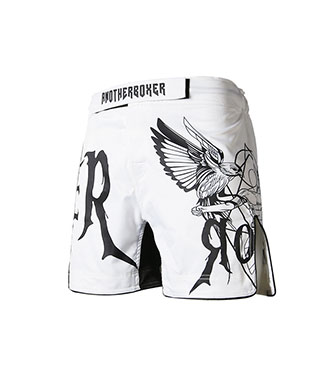
Some MMA Fight Shorts use a combination of elastic, an internal drawcord, and a hook-and-loop fastening system. These components have different functions. Elastic provides flexible tension, the drawcord allows fit adjustment, and the fastening system helps secure the front opening. A drawcord should not be used to compensate for elastic that has already lost its recovery.
Can Washing and Sweat Damage the Waistband?
Yes. Frequent washing, high drying temperatures, and prolonged exposure to sweat can contribute to waistband deterioration. MMA shorts are exposed to perspiration during intense exercise, and they are usually washed more frequently than casual clothing.
Excessive heat is particularly important when the waistband contains elastane or other heat-sensitive elastic components. High-temperature washing, tumble drying, or ironing may accelerate the loss of elasticity. Strong detergents and unsuitable chemical treatments can also affect certain elastic materials and fabric finishes.
Storage conditions matter as well. Leaving damp shorts inside a gym bag for long periods creates an environment that encourages unpleasant odours and can complicate garment care. Although moisture alone does not explain every elastic failure, poor maintenance combined with repeated mechanical stress can reduce product service life.
Consider a wholesale order in which customers report that the waistbands of dark-coloured MMA combat shorts feel loose after repeated washing. A useful investigation would compare unused stock with returned garments, check the elastic dimensions, inspect the attachment seams, and review the washing instructions. If the problem appears across multiple sizes and production batches, the supplier should investigate material consistency and production controls rather than treating each complaint as an isolated fitting issue.
How Can Manufacturers Improve Waistband Elastic Recovery?
Manufacturers should select elastic according to the intended garment design, wearer movement, and expected washing frequency. The correct specification depends on waistband width, stretch range, required holding force, and the type of fabric used in the shorts.
Before bulk production, elastic samples should be evaluated for extension and recovery. A useful inspection compares the original length with the length after repeated stretching and relaxation. Testing should also consider whether the elastic returns consistently after several cycles rather than performing well during only the first extension.
During sewing, operators need to control elastic tension and distribute it evenly around the waistband. Uneven feeding can create areas that are too tight or too loose. The seam must also be compatible with the elastic's stretch. A rigid stitch construction may break when the waistband is extended, while an unsuitable seam allowance can create bulk or distortion.
For OEM and private label MMA shorts, buyers should request clear specifications for elastic width, composition, stretch behaviour, attachment method, and waistband measurements. These details make it easier to maintain consistency between samples and bulk orders.
What Quality Tests Can Identify a Weak MMA Shorts Waistband?
A visual inspection is not enough to determine whether a waistband will remain secure during actual training. Manufacturers should combine material testing, garment inspection, and practical wear evaluation.
Elastic Stretch and Recovery Test
Measure the elastic before stretching, extend it to an agreed testing length, and record its recovery after relaxation. Repeat the procedure for multiple cycles. A noticeable increase in residual length or reduction in recovery indicates that the elastic may not be suitable for a garment exposed to repeated movement.
Waistband Attachment Inspection
Inspect the seam connecting the waistband to the shorts. Look for skipped stitches, loose threads, uneven gathering, broken seams, and areas where the elastic has shifted inside its channel. Apply controlled tension at the front, sides, and back to identify weak attachment points.
Repeated Washing Evaluation
Wash finished samples according to the intended care instructions and compare waistband measurements before and after washing. Inspect elastic recovery, garment dimensions, seam condition, and fastening performance. This helps identify problems that may not appear during initial fitting.
Wear and Movement Trial
Test the finished MMA shorts during squats, high kicks, sprawls, hip rotations, and grappling movements. Observe whether the waistband rolls, slides downward, twists, or requires repeated adjustment. Practical testing is important because a waistband that performs well on a flat inspection table may behave differently during actual training.
How Should Buyers Evaluate Waistband Quality Before Bulk Orders?
For overseas buyers, waistband quality should be included in the product specification instead of being treated as a minor sewing detail. When comparing MMA shorts manufacturers, request information about elastic composition, waistband width, construction method, reinforcement, and recovery testing.
Buyers should also examine the relationship between the waistband and the complete garment design. A traditional woven fight short, a stretch-panel design, and a compression-style short may require different waistband structures. The same elastic specification will not necessarily perform equally well across all constructions.
During sample approval, check the waist measurement, fit consistency, fastening strength, and comfort during movement. If the shorts include hook-and-loop fastening or an internal drawcord, test these components separately. For competition-oriented products, confirm that the closure design follows the requirements of the intended event or organization.
For example, a distributor sourcing MMA competition shorts for several gyms may prioritize a secure fit across a broad size range. A practical approval process would include samples in different sizes, repeated stretch testing, washing evaluation, and movement trials. Recording the approved elastic specification and construction details gives the factory a clearer reference for future production runs.
What Should an MMA Shorts Manufacturer Control During Production?
Reliable waistband performance depends on several production stages working together. Fabric and elastic inspection should take place before cutting. Pattern makers need to confirm waist measurements and the intended elastic allowance. Sewing operators should maintain consistent feeding tension, stitch balance, and seam placement.
After assembly, quality inspectors should check waistband symmetry, elastic distribution, fastening alignment, and finished measurements. Random samples from bulk production should undergo stretch and recovery checks to identify differences between production lots.
Manufacturers producing custom MMA shorts should also retain approved samples and material records. If a later order uses a different elastic supplier, a similar-looking material may not provide the same recovery. Recording the material source and technical specification helps reduce unexpected changes.
Conclusion: Waistband Durability Starts with Material and Construction Control
The waistband of MMA shorts becomes loose over time mainly because elastic recovery decreases, construction distributes tension poorly, or repeated washing and training accelerate material deterioration. These issues can affect comfort, garment stability, and customer satisfaction.
For overseas brands, wholesalers, and importers, the most effective approach is to evaluate elastic quality, waistband construction, sewing consistency, and finished-garment performance before approving bulk production. A well-designed waistband should remain comfortable and secure through repeated stretching, washing, and demanding movement.
When sourcing MMA shorts from an OEM or private label manufacturer, buyers should look beyond appearance and request measurable material specifications, sample testing, and documented production quality checks. These steps help reduce avoidable returns and build a more dependable fightwear product range.