





During mixed martial arts training, sweat can quickly affect how shorts feel and perform. When moisture stays close to the skin, the fabric may become heavy, cling to the legs, and create friction during kicks, sprawls, and ground transitions. Moisture-wicking fabric helps address these problems by moving liquid sweat away from the skin and spreading it across a larger fabric area, where it can evaporate more easily.
For manufacturers and buyers sourcing MMA Shorts, moisture management is not simply a comfort feature. It is closely connected to fabric construction, garment weight, ventilation, durability, and the intended training environment. Choosing the right material can improve the wearing experience while helping brands develop more competitive mixed martial arts shorts.
How Does Moisture-Wicking Fabric Work in MMA Shorts?
Moisture-wicking fabric works by transporting liquid sweat from the skin-facing surface toward the outer surface of the material. This process mainly relies on capillary action, which allows moisture to move through small spaces between fibers and yarns.
Polyester is commonly used in performance sportswear because its relatively low moisture absorption helps prevent the material from retaining excessive water within the fiber itself. When combined with suitable yarn structures, fabric density, and surface treatments, polyester can spread sweat across a wider area and support faster evaporation.
For MMA training shorts, this function is particularly useful because athletes move continuously and generate heat during striking combinations, wrestling drills, and grappling sessions. A fabric that distributes moisture effectively can reduce the uncomfortable feeling of wet material sticking to the thighs and waist.
For example, consider two pairs of shorts used during a similar high-intensity training session. One uses a conventional fabric that holds moisture around the contact area, while the other uses a lightweight polyester fabric engineered for moisture transport. The second fabric may spread sweat over a larger surface, allowing more of it to evaporate. The actual difference depends on fabric construction, environmental conditions, and garment design, so buyers should evaluate test results rather than rely on fiber composition alone.
Why Is Moisture Management Important During MMA Training?
MMA involves repeated changes in movement intensity. An athlete may move from standing strikes to takedowns, ground control, and explosive recovery movements within a short period. These activities generate sweat while repeatedly bringing the shorts into contact with the skin, training mats, and other athletes.
When moisture accumulates in the fabric, several problems can develop. Wet material may cling to the legs, increase perceived friction, and make the garment feel heavier. Excess moisture can also slow the drying process between training rounds.
Moisture-wicking MMA Fight Shorts help manage these conditions by supporting liquid movement and evaporation. However, moisture management should work together with other performance characteristics. A fabric that transports sweat effectively but has poor stretch or insufficient abrasion resistance may not be suitable for demanding grappling applications.
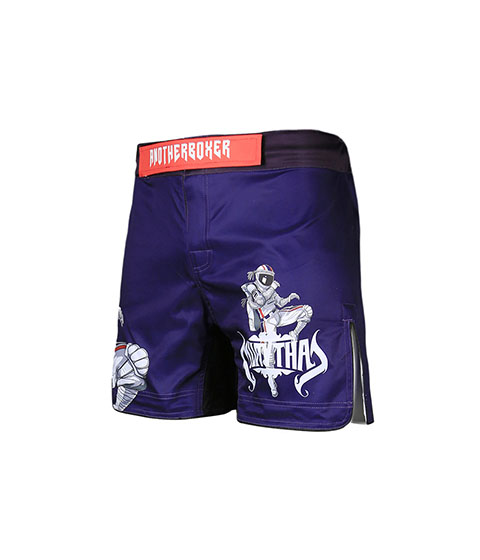
Which Fabric Materials Are Suitable for Moisture-Wicking MMA Shorts?
Polyester is one of the most practical choices for moisture-management sportswear. It is lightweight, relatively quick-drying, and suitable for sublimation printing. These properties make it useful for MMA training shorts, team uniforms, and custom-designed fightwear.
Polyester blended with spandex can provide additional flexibility. The polyester component supports moisture management, while spandex contributes stretch and recovery. This combination is useful when MMA grappling shorts need to accommodate deep squats, hip rotation, high kicks, and ground transitions.
Nylon is another option for performance combat apparel. It is valued for its strength, abrasion resistance, and smooth hand feel. Depending on the yarn construction and finishing process, nylon fabrics can also provide useful moisture-management performance. Buyers should compare actual test results instead of assuming that one fiber type always performs better.
Fabric weight also matters. A lightweight material can reduce the amount of fabric worn during intense training, but excessively lightweight construction may compromise durability or opacity. Manufacturers need to balance weight, coverage, flexibility, and resistance to repeated friction.
Does Fabric Construction Affect Moisture-Wicking Performance?
Yes. Fiber composition alone does not determine how quickly a fabric moves moisture. Yarn shape, filament structure, knitting or weaving density, surface texture, and finishing treatments can all influence moisture transport.
For example, specially engineered polyester yarns may contain grooves or channels that help guide liquid along the fiber surface. A suitable knit construction can also create connected spaces that allow moisture to spread through the material. If the fabric is too dense, however, liquid movement and air exchange may be restricted.
Manufacturers should therefore evaluate fabric performance at the material-development stage. A practical development comparison might involve testing several polyester constructions with different yarn specifications and fabric weights. Samples can then be assessed for moisture transport, drying behavior, stretch recovery, and abrasion resistance before one is selected for bulk production.
How Can Buyers Verify Moisture-Wicking Performance Before Bulk Orders?
Buyers should request measurable test information rather than relying only on descriptions such as quick-dry, sweat-wicking, or breathable. AATCC TM195 is a recognized method for evaluating liquid moisture management properties of textile fabrics. It examines factors such as wetting time, absorption, moisture spreading, and one-way liquid transport.
Other useful evaluations include vertical wicking tests, drying-rate tests, and air permeability tests. These methods provide different information: moisture transport measures how liquid moves, drying tests examine how quickly moisture leaves the material, and air permeability evaluates airflow through the fabric.
For instance, two fabric samples may both be marketed as moisture-wicking polyester, but their test results may show different spreading speeds and drying behavior. Comparing these results gives buyers a more objective basis for material selection.
It is also important to test the finished garment. Waistband construction, panel placement, lining, seams, and printing processes can influence the final wearing experience. A fabric may perform well in a laboratory sample but feel less comfortable when incorporated into a poorly ventilated garment.
Technical references: AATCC textile testing methods and NC State Textile Protection and Comfort Center moisture management testing.
What Other Performance Features Should Be Considered Alongside Moisture Wicking?
Moisture management is only one part of MMA shorts performance. For products designed for regular training, manufacturers should also consider four related factors.
Stretch and Movement Recovery
MMA shorts need enough flexibility for kicks, lunges, sprawls, and hip rotation. Stretch panels or spandex-blended fabrics can improve mobility. The material should also recover after repeated stretching instead of becoming loose or distorted.
Abrasion and Seam Durability
Grappling creates repeated contact between the garment, the mat, and other athletes. Reinforced seams, suitable stitch density, and abrasion-resistant fabric help reduce premature damage. Buyers should inspect stress points around the crotch, inseam, side panels, and waistband.
Ventilation and Fabric Weight
Air permeability can influence how heat and moisture move through the garment. Lightweight construction and strategically placed stretch panels may improve ventilation, but material selection must still provide sufficient coverage and durability.
Waistband Stability
A secure waistband helps prevent shorts from shifting during takedowns and ground movements. Elastic construction, adjustable drawstrings, and appropriate waist shaping should be evaluated together with the fabric's stretch properties.
How Can Manufacturers Maintain Consistent Moisture-Wicking Quality in Bulk Production?
Consistent performance starts with incoming fabric inspection. Manufacturers should verify fiber composition, fabric weight, width, color consistency, and the relevant moisture-management specifications. If a fabric uses a functional finish, its performance should also be checked after the required laundering cycles.
During cutting and sewing, fabric direction and panel placement need to follow the approved sample. Excessive heat during printing or finishing may affect some material properties, so process parameters should be controlled. Stitching tension, seam strength, and waistband attachment should also be inspected during production.
Before shipment, buyers can request pre-production samples, size-set samples, and bulk inspection records. Performance testing should use the same material specification and comparable procedures as the approved sample. This reduces the risk of receiving a bulk order that looks similar but performs differently.
What Should B2B Buyers Look for When Sourcing Moisture-Wicking MMA Shorts?
For wholesalers, importers, and sportswear brands, the best sourcing decision involves more than selecting a fabric advertised as quick-drying. Buyers should confirm the intended application, fabric composition, weight, stretch percentage, moisture-management results, colorfastness, and durability requirements.
They should also discuss customization options with the manufacturer, including sublimation printing, logo placement, waistband design, panel construction, size grading, and private-label packaging. For brands targeting different markets, consistent sizing and repeatable fabric performance are especially important.
A qualified MMA shorts manufacturer should be able to explain how material selection, pattern development, sewing techniques, and quality inspection work together. Buyers sourcing MMA Fight Shorts, MMA training shorts, MMA combat shorts, or MMA competition shorts should request samples and confirm specifications before approving mass production.
Ultimately, moisture-wicking performance is most valuable when it is integrated into a complete garment design. By combining effective moisture transport with flexibility, ventilation, abrasion resistance, and reliable manufacturing control, brands can offer MMA Fighting Shorts that remain comfortable through demanding training sessions.