





Sublimation printing on MMA Shorts may appear faded, uneven, or damaged because of unsuitable fabric composition, incorrect heat-transfer conditions, poor ink control, or confusion between sublimation and surface-printing methods. However, properly performed sublimation on compatible polyester fabric does not normally crack or peel like a surface-applied print because the dye penetrates the fibre rather than forming a separate film on top.
For overseas fightwear brands, wholesalers, and importers, this distinction is important. A garment described as sublimated may still contain heat-transfer logos, screen-printed details, or other surface decorations. Each method has different durability characteristics. Understanding the printing process helps buyers identify the real cause of graphic deterioration and specify more reliable MMA Fight Shorts.
Why Does Sublimation Printing Lose Its Colour on MMA Shorts?
Sublimation printing uses heat to transfer disperse dye from printed transfer paper into compatible synthetic fibres, especially polyester. Under controlled temperature, pressure, and time, the dye changes into a gas and diffuses into the fibre structure. After cooling, the colour remains within the material rather than sitting as a thick surface coating.
Because the colour is integrated into the polyester, genuine sublimation graphics are generally resistant to cracking and peeling caused by ordinary fabric stretching. If the design becomes noticeably pale, the problem may involve the original transfer process, the fabric itself, or the way the garment is used and maintained.
One possible cause is incorrect transfer temperature or processing time. Insufficient heat or an unsuitable transfer cycle can result in incomplete dye transfer and weak colour development. Excessive heat may also damage the fabric, affect its dimensional stability, or produce unwanted colour changes.
Pressure and contact are equally important. If the transfer paper does not make consistent contact with the fabric, some areas may receive less dye. This can create uneven colour density, faded patches, or differences between panels.
For example, a brand ordering custom MMA Training Shorts may approve a sample with strong, clear colours but discover that bulk garments have inconsistent shades. If the fabric and artwork are unchanged, the manufacturer should review heat-press calibration, transfer alignment, pressure distribution, and processing records. Comparing samples from different positions on the production batch can help locate the source of variation.
How Does Fabric Composition Affect Sublimation Quality?
Fabric composition is one of the most important factors in sublimation printing. Polyester is widely used because its fibre structure is suitable for disperse dyes. A fabric containing a high proportion of cotton or another incompatible fibre will not produce the same colour result through standard polyester sublimation.
Polyester-spandex blends are also used in performance apparel where flexibility is required. However, the polyester and elastane components do not respond identically to heat. The fabric structure, fibre ratio, finishing treatment, and heat sensitivity must all be considered during production.
Another issue is the difference between the visible colour of the transfer artwork and the final result on fabric. Fabric whiteness, surface texture, and the material's original colour can influence the appearance of the finished graphic. A design that looks accurate on a computer monitor may appear different after transfer.
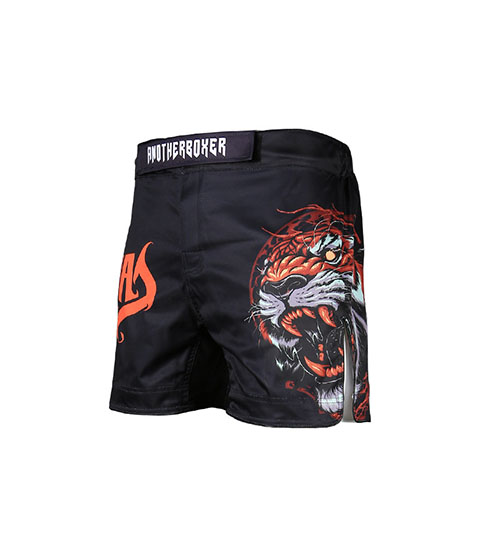
In a practical sourcing scenario, an importer may request full-panel graphics for MMA board shorts using a polyester-spandex fabric. If the supplier changes the fabric to a different blend after sample approval, the same artwork and transfer settings may no longer produce identical colours. Buyers should therefore approve the actual production fabric together with the printed sample, rather than approving artwork separately from the material.
Why Do Some MMA Shorts Prints Crack Even When They Are Called Sublimation?
True sublimation dye penetrates compatible fibres and does not create a rigid surface film. Therefore, visible cracking often indicates that the damaged area uses another decoration method or that the fabric itself has been damaged.
Some custom MMA shorts combine full sublimation with additional screen printing, heat-transfer vinyl, silicone logos, or other branding details. These surface decorations sit on top of the fabric and may have different stretch and wash characteristics.
If a surface-applied logo is too rigid for a stretch panel, the printed layer may develop cracks when the wearer performs high kicks, deep squats, or grappling movements. Poor adhesion, unsuitable ink formulation, excessive print thickness, and insufficient curing can also contribute to failure.
Buyers should distinguish between the main sublimated artwork and additional logos or labels. If the background pattern remains intact while a sponsor logo cracks, the problem is more likely related to the separate decoration process than to sublimation itself.
For example, a fightwear brand may receive customer complaints about white cracks appearing around a large logo on the thigh of its MMA Fighting Shorts. Inspection may show that the background is sublimated but the logo is a separate heat transfer. The manufacturer should then review the transfer material, stretch compatibility, application temperature, pressure, and curing conditions. Replacing the entire sublimation process would not address the actual defect.
Can Washing, Sweat, and Friction Cause Sublimation Graphics to Fade?
Frequent washing and demanding use can affect the appearance of MMA shorts, although properly transferred sublimation is generally more resistant to cracking and peeling than surface printing. The garment's overall colour performance still depends on dye quality, transfer consistency, fabric stability, and care conditions.
Combat sports apparel is exposed to perspiration, body oils, repeated contact with training mats, and friction between garments. Wet rubbing and poor colourfastness in the base fabric may cause colour transfer or make some areas appear dull. Strong detergents, unsuitable bleaching agents, and excessive heat can also affect certain textile materials and finishes.
Ultraviolet exposure is another consideration. Repeated or prolonged exposure to strong sunlight can contribute to colour change in textiles. This may be relevant for athletes who regularly dry their MMA shorts outdoors or for retailers storing products in areas exposed to direct sunlight.
Consider a retailer who receives reports that dark-coloured MMA combat shorts look less vibrant after regular use. The correct investigation should compare the returned garments with unused stock, examine whether the change affects the entire fabric or only high-friction areas, and review washing and drying conditions. Wash, perspiration, and rubbing colourfastness tests can help determine whether the issue originates from the fabric, dye transfer, or garment care.
How Can Manufacturers Prevent Sublimation Colour Problems?
Consistent sublimation quality starts before printing. Manufacturers should confirm that the selected fabric is suitable for the process and that its composition, weight, surface, and colour meet the approved specification.
Artwork preparation also matters. The design should account for panel dimensions, seam allowances, cutting positions, and garment construction. Important logos and text should not be placed too close to areas that may be lost in seam allowances or distorted during assembly.
During printing, factories need to control the transfer temperature, pressure, and processing time according to the fabric and equipment. Transfer paper quality, ink compatibility, printer calibration, and consistent contact between paper and fabric also influence the result.
After transfer, printed panels should be checked for colour consistency, ghosting, blurred edges, unwanted marks, and incomplete coverage. The fabric should also be examined for heat-related distortion or changes in hand feel. These checks are particularly important for four-way stretch sections used in MMA training shorts.
What Tests Can Buyers Use to Check Sublimation Print Durability?
Buyers should evaluate the finished garment rather than relying only on a printed fabric swatch. A graphic may look excellent before sewing but become distorted when panels are stretched, cut, and assembled.
Wash Colourfastness Test
Wash samples using an agreed method and inspect colour change, staining, and overall graphic appearance. Compare the tested garment with an unwashed control sample under consistent lighting. This helps identify colour instability that may become visible after repeated laundering.
Dry and Wet Rubbing Test
Rub the printed surface with a suitable test cloth under controlled conditions. Wet and dry rubbing should be evaluated separately because moisture can change the amount of colour transferred. This is useful for checking whether the textile colour or any additional surface decoration may stain other materials.
Stretch and Recovery Evaluation
Extend the fabric in the directions relevant to garment use and observe whether the printed area changes appearance. Genuine sublimation should move with compatible polyester fabric without forming a brittle surface layer. If cracks appear, inspect whether the affected area contains a separate transfer, coating, or damaged fabric.
Perspiration Resistance Test
Evaluate the fabric's resistance to colour change and staining under simulated perspiration conditions. This is relevant for MMA shorts because the garment is exposed to sweat during repeated high-intensity training sessions.
Bulk Panel Colour Inspection
Compare printed panels against the approved colour reference under consistent lighting. Inspect different positions across the production batch for shade variation, uneven transfer, ghosting, and alignment problems. Buyers should retain an approved sample to support comparison during future orders.
What Should B2B Buyers Specify When Ordering Custom Sublimated MMA Shorts?
When sourcing custom mixed martial arts shorts, buyers should clearly identify which parts of the garment use sublimation and which parts use additional decoration. This avoids confusion when discussing print durability and quality claims.
A useful product specification should include fabric composition, fabric weight, stretch characteristics, artwork files, colour references, print coverage, panel layout, and any separate logos or transfers. Buyers should also confirm whether the approved sample uses the same fabric and printing process intended for bulk production.
For private label MMA shorts, sample approval should include visual inspection and practical movement tests. Check whether the artwork remains correctly positioned around the waistband, side slits, crotch, and leg panels. Stretch the garment in relevant directions to identify distortion or incompatibility between printed areas and fabric.
For example, an importer developing a new MMA competition shorts collection may require full-coverage graphics, multiple sponsor logos, and consistent colours across several sizes. The factory should confirm the printing method for each graphic element, approve the production fabric, and provide samples for wash and stretch evaluation. This creates a more reliable basis for bulk approval than judging a digital mock-up alone.
How Does Printing Method Selection Affect MMA Shorts Performance?
Sublimation is particularly suitable for polyester-based MMA shorts that require complex patterns, gradients, full-panel graphics, and multiple colours. Since the dye becomes part of the compatible fibre structure, it does not add the same surface thickness as conventional screen printing or heat-transfer films.
Screen printing and heat-transfer methods may still be useful for selected logos or branding details, but their flexibility and adhesion must match the fabric. A large, thick print on a stretch panel may feel restrictive or become damaged when repeatedly extended.
For manufacturers, the decision should consider the garment's material, graphic size, intended position, stretch requirements, and expected use. For buyers, the key is to understand the actual decoration process rather than assuming every colourful graphic is sublimated.
Conclusion: Print Durability Depends on the Right Fabric and Controlled Production
Sublimation print on MMA shorts may appear faded because of incomplete dye transfer, unsuitable fabric composition, inconsistent heat and pressure, or poor colourfastness. Cracking, however, is not normally a characteristic of properly performed sublimation. It often points to separate surface-applied decoration or damage to the fabric itself.
For overseas B2B buyers, wholesalers, and importers, the most effective quality strategy is to confirm fabric compatibility, distinguish sublimation from additional printing methods, and evaluate finished garments through washing, rubbing, perspiration, and stretch testing.
A reliable MMA shorts manufacturer should be able to explain the printing process, maintain consistent transfer conditions, and provide samples that represent the intended bulk-production materials and construction. These controls help fightwear brands protect product appearance, reduce avoidable complaints, and deliver more durable MMA training shorts to the market.