





In most cases, athletes do not need to wear another layer of underwear beneath MMA compression shorts. Compression shorts are designed to function as a close-fitting base layer, providing coverage and reducing fabric movement during training. Adding ordinary underwear underneath may create extra seams, heat, and friction, especially during intense sessions involving striking, wrestling, and grappling.
However, the best choice depends on the garment design, personal comfort, hygiene preferences, and training requirements. Some athletes wear compression shorts directly against the skin, while others choose a lightweight, seamless athletic brief underneath. For brands, wholesalers, and importers, understanding these wearing preferences helps when developing MMA Shorts collections and selecting suitable fabric and lining constructions.
Do You Need Underwear Under MMA Compression Shorts?
Usually, no. Most MMA compression shorts are made to be worn directly against the skin. Their close fit helps keep the garment in position when an athlete kicks, changes levels, performs a takedown, or moves through ground transitions.
Wearing a second layer is a personal choice rather than a universal requirement. If the compression shorts have a comfortable waistband, adequate coverage, a well-designed gusset, and fabric that remains opaque when stretched, they can generally be worn on their own.
Ordinary cotton underwear may be less suitable for high-intensity training because it can retain moisture and create additional friction when wet. A second garment may also bunch around the hips or legs, reducing the smooth fit that compression clothing is designed to provide.
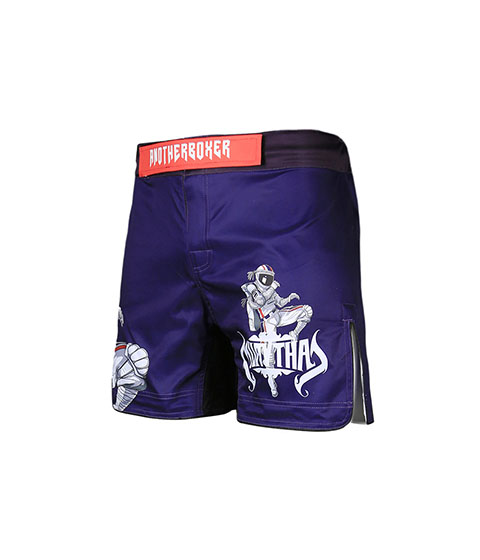
Why Do Athletes Wear Compression Shorts Directly Against the Skin?
MMA training involves repeated changes in body position. During a kick, the hip and thigh extend. During a sprawl, the legs move rapidly backward. During grappling, the body is repeatedly compressed against the mat. A close-fitting base layer helps prevent loose fabric from shifting or folding during these movements.
Compression shorts can also provide a layer between the skin and outer Fight Shorts. This may reduce direct rubbing from seams and help manage sweat when the fabric has appropriate moisture-wicking properties. However, the result depends on fabric construction, fit, and individual skin sensitivity.
For MMA training shorts worn beneath a looser outer shell, the compression layer should remain smooth and stable. If it rolls at the waistband or bunches around the inner thigh, the garment may be incorrectly sized or have insufficient elastic recovery.
Can You Wear Briefs or Boxer Briefs Under MMA Compression Shorts?
Yes, athletes who prefer an additional layer can choose lightweight athletic briefs or boxer briefs. The most important consideration is that the underwear should fit smoothly beneath the compression garment without creating bulky folds.
Seamless or flat-seam designs can help reduce friction. Moisture-wicking synthetic fabrics are often more suitable for intense exercise than heavy cotton because they are designed to move moisture away from the skin. The waistband should also be low-profile enough to avoid creating pressure beneath the compression shorts.
Loose boxer shorts are generally a poor match for tight compression clothing. Excess fabric can fold around the groin and thighs, while thick seams may cause irritation during repeated leg movement. If an athlete experiences rubbing or bunching, wearing the compression shorts directly against the skin may be more comfortable.
Should You Wear a Groin Protector Under MMA Compression Shorts?
A groin protector is different from ordinary underwear. Athletes who need groin protection during sparring or competition should use a suitable athletic cup and a compatible support system. Depending on the product design, the cup may sit inside a dedicated pocket or be held in place by a compression short, jockstrap, or separate supporter.
The protector should remain stable when the athlete moves. If it shifts during kicks, sprawls, or ground transitions, the support system may not be providing a secure fit. Athletes should check that the cup does not create uncomfortable pressure against the body or interfere with normal movement.
For manufacturers developing MMA combat shorts or compression products with cup pockets, pocket position, opening size, fabric stability, and stitching strength deserve particular attention. A pocket that is too loose may allow the protector to move, while one that is too tight may make insertion difficult or create uncomfortable pressure.
Competition requirements are not identical across all organizations. Athletes should check the current rules of their event and confirm whether a groin protector or a particular support design is required or permitted.
Are Compression Shorts Better Than Regular Underwear for MMA Training?
Compression shorts are designed for athletic movement, while everyday underwear is primarily intended for general daily wear. The difference is visible in their fabric, pattern, and construction. Sports compression garments commonly use polyester-spandex or nylon-spandex blends to provide stretch and recovery.
These fabrics can follow the body's movement more closely than many conventional underwear materials. A suitable compression garment should stretch across the hips and thighs without becoming transparent or losing its shape. The leg openings should stay flat rather than cutting into the skin or rolling upward.
For athletes who train in both striking and grappling, compression shorts can also reduce the amount of loose fabric underneath outer MMA Fight Shorts. This is useful when the outer garment shifts during movement, although it does not replace the need for a properly fitted pair of fight shorts.
What Fabric Should MMA Compression Shorts Use?
Fabric selection affects comfort, coverage, durability, and moisture management. Polyester-spandex blends are widely used in sportswear because polyester can provide durability and relatively quick drying, while spandex adds elasticity. Nylon-spandex blends are another option when a smooth hand feel and flexible fit are important.
The fabric needs enough stretch to accommodate hip rotation, deep squats, and leg extension. However, stretch alone is not enough. The material should recover after repeated extension so that the waistband and leg openings do not become loose after regular use.
Opacity is another important performance factor. A fabric may look sufficiently thick when laid flat but become transparent when stretched across the hips or thighs. Buyers should assess the material under realistic tension, particularly for light colors and sublimated designs.
For wholesale MMA shorts and compression apparel, suppliers should be able to provide fabric composition, weight, stretch and recovery information, colorfastness results, and care instructions. These specifications help buyers compare products beyond their appearance and initial price.
How Should Compression Shorts Fit Under mma fight shorts?
The inner compression layer should fit close to the body without restricting circulation or creating uncomfortable pressure. The waistband should lie flat, and the leg hems should remain in position during movement. Excess fabric around the crotch can create friction, while an overly tight garment may pull across the hips and make deep movements uncomfortable.
When worn beneath traditional mixed martial arts shorts, the two waistbands should not create excessive bulk. If both waistbands are thick or positioned at the same level, the combined pressure may become uncomfortable during bending and grappling.
Length is also important. Mid-thigh compression shorts are a common option for athletes who want coverage beneath MMA board shorts or traditional fight shorts. Longer spats provide more leg coverage for no-gi grappling and other training environments, but athletes should check the rules of their gym or competition before using them.
What Should Buyers Check When Sourcing MMA Compression Shorts?
For wholesalers and private-label brands, a compression short should be assessed as a performance garment rather than a basic pair of underwear. Product development should consider fabric elasticity, opacity, waistband stability, gusset construction, seam placement, and wash durability.
Flatlock or other low-profile seam constructions may help reduce rubbing where the garment contacts the skin. The gusset should provide enough room for natural movement without creating excess fabric. Reinforced stitching at the crotch and inner thigh can help the product withstand repeated stretching and training use.
Quality inspection should include stretch and recovery testing, dimensional checks after washing, seam strength evaluation, and colorfastness testing. Samples should also be worn during squats, lunges, high knees, and ground movements to identify rolling hems, waistband slippage, or uncomfortable seam placement.
For a complete MMA apparel range, brands may offer standalone compression shorts, dual-layer fight shorts with built-in liners, and longer grappling tights. These products serve different preferences and training needs, allowing retailers to build a more practical selection for MMA athletes.
Frequently Asked Questions About Wearing MMA Compression Shorts
Can I wear MMA compression shorts without underwear?
Yes. Most MMA compression shorts are designed to be worn directly against the skin. Check that the fabric provides sufficient coverage, the seams feel comfortable, and the garment stays in place during movement.
Can I wear cotton underwear under compression shorts?
You can, but cotton may retain more moisture during intense training. If you prefer an additional layer, lightweight moisture-wicking athletic underwear with low-profile seams may be more comfortable.
Should compression shorts be tighter than MMA fight shorts?
Yes, in terms of intended construction. Compression shorts should fit close to the body, while traditional MMA fight shorts usually have a more relaxed outer fit. Neither garment should restrict normal movement.
Can I wear compression shorts alone for grappling?
Many athletes use compression shorts as standalone training bottoms, depending on gym policies and the activity. For competition, check the specific organization's clothing and coverage rules before choosing an outfit.
How often should MMA compression shorts be washed?
Wash them after every training session, following the garment's care label. Prompt washing and complete drying help remove sweat and reduce the buildup of odor-causing residues. Avoid leaving damp training apparel in a closed gym bag for extended periods.
Conclusion
Most athletes can wear MMA compression shorts directly against the skin without adding ordinary underwear. Those who prefer an extra layer can choose lightweight, close-fitting athletic briefs, but should avoid bulky seams and loose fabric that may bunch during training.
For brands, wholesalers, and importers, the key product requirements include reliable stretch recovery, comfortable seam construction, secure waist and leg openings, adequate opacity, and durability after repeated washing. By understanding how athletes actually wear compression garments, buyers can select or develop MMA training shorts and mixed martial arts shorts that offer practical comfort across striking, wrestling, and grappling sessions.