





Knowing how to measure your waist for martial arts shorts can help you choose a comfortable size and avoid common fitting problems. Shorts that are too tight may restrict movement, while an oversized waistband may slide down during kicks, squats, and rapid changes in direction. An accurate waist measurement gives you a reliable starting point when comparing different sizes.
Whether you are buying martial arts training shorts for regular workouts or martial arts Fight Shorts for kickboxing, Muay Thai, or MMA, you should use the size chart for the specific product. Sizing can vary between brands, styles, and waistband designs, so your usual jeans size may not be a reliable guide.
1. Prepare the Right Measuring Tools
The easiest way to measure your waist is with a flexible measuring tape used for clothing measurements. It can follow the shape of your body and provide a more accurate circumference measurement than a rigid ruler.
Before measuring, prepare the following:
A flexible measuring tape marked in centimetres or inches.
A mirror, if you need help checking that the tape stays level.
A notebook or phone to record your measurement.
The size chart for the martial arts shorts you intend to purchase.
If you do not have a measuring tape, you can use a piece of non-stretch string and a ruler. Wrap the string around your waist, mark where the ends meet, then lay it flat and measure the marked length. Avoid elastic string because stretching it can produce an inaccurate result.
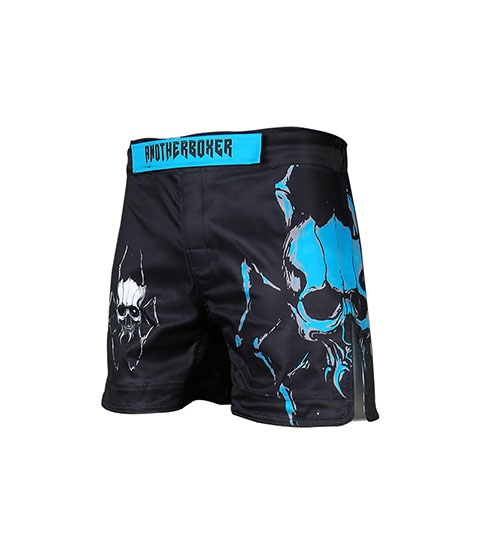
2. Find the Correct Waist Measurement Position
Before wrapping the tape around your body, determine where you want the waistband of your martial arts shorts to sit. Different styles may sit at the natural waist, around the upper hips, or slightly lower on the body.
For a reliable measurement, follow the measurement instructions provided by the brand. If the size chart specifies natural waist circumference, measure around your natural waist, generally the narrowest area of your torso. If the shorts are designed to sit lower, the brand may specify a different measurement position.
This distinction matters because your natural waist measurement may differ from the circumference around your hips. Measuring too high or too low can result in choosing a size that does not match the intended waistband position.
3. Measure Your Waist Step by Step
Follow these steps to measure your waist accurately before purchasing martial arts shorts.
Step 1: Stand in a Natural Position
Stand upright with your feet comfortably apart and your abdomen relaxed. Do not pull your stomach inward or hold your breath. Your measurement should reflect your normal body position rather than a forced posture.
Step 2: Position the Measuring Tape
Wrap the flexible tape around your waist at the position specified by the size chart. Make sure it passes evenly around your body instead of sloping upward or downward at the back.
Step 3: Keep the Tape Snug but Not Tight
The tape should make light contact with your skin without compressing it. Pulling the tape too tightly can produce a smaller number than your actual measurement. Leaving it too loose can make the measurement unnecessarily large.
Step 4: Breathe Normally
Keep your body relaxed and breathe normally while taking the measurement. Do not measure while sucking in your stomach, because the resulting number may not represent how your shorts will fit during training.
Step 5: Read and Record the Number
Read the point where the tape meets itself. Record the measurement in centimetres or inches, noting the unit clearly. If the brand's chart uses inches and your measurement is in centimetres, convert the measurement before comparing sizes.
To convert centimetres to inches, divide the measurement in centimetres by 2.54. For example, 81.3 centimetres is approximately 32 inches. Keep the original measurement as well so you can refer to it later.
Step 6: Measure Again
Repeat the process to check your result. If the measurements differ noticeably, reposition the tape and try again. Taking two consistent measurements is more reliable than choosing a size based on a single rushed attempt.
4. Understand Body Measurements and Garment Measurements
One common sizing mistake is confusing your body waist measurement with the actual waistband measurement of a pair of shorts. These numbers do not always match, especially when the garment uses elastic fabric or an adjustable drawstring.
A body measurement is the circumference of your waist. A garment measurement describes the dimensions of the shorts themselves. Some size charts list the body measurements each size is intended to fit, while others provide the garment's relaxed waistband width, stretched waistband width, or other product dimensions.
For example, if a size chart says a size is suitable for a 32-inch waist, that usually refers to the intended body measurement. If it lists a waistband width measured while the shorts are laid flat, the number describes the garment in a different way. Do not compare these measurements directly without checking the chart's definitions.
When the chart is unclear, look for additional measurement notes or contact the seller for clarification. This is particularly helpful when ordering martial arts Fight Shorts online, because different brands may use different sizing methods.
5. Check Your Hips and Thighs When Necessary
Waist circumference is an important starting point, but it may not tell the whole story. Some athletes have a relatively narrow waist and wider hips or thighs. In this case, a pair of shorts may fit at the waistband but feel restrictive during movement.
If the manufacturer provides hip measurements, measure around the fullest part of your hips and buttocks. Keep the tape level and avoid pulling it tightly into the body. Compare the result with the product's size chart.
Thigh room and leg opening are also worth considering. Shorts designed for high kicks may have wider legs or side slits, while some MMA styles use a closer-fitting cut. Your choice should provide enough room for the movements required by your sport without creating unnecessary excess fabric.
6. Use the Size Chart to Choose the Right Size
Once you have recorded your waist measurement, compare it with the size chart for the exact martial arts shorts you want to buy. Do not assume that small, medium, large, and extra-large mean the same thing across all brands.
Follow these practical guidelines:
When your measurement fits within one size range: Start with the size recommended by the manufacturer.
When you fall between two sizes: Check the brand's advice and consider the cut, waistband construction, and preferred fit before deciding.
When the waistband is adjustable: Remember that a drawstring can improve fit, but it cannot always compensate for a substantially incorrect size.
When your hips or thighs need more room: Review the garment's cut and other available measurements rather than relying on waist size alone.
When buying from another country: Check whether the chart uses centimetres, inches, or regional sizing conventions.
There is no universal rule that you should always size up or size down. The correct choice depends on the actual size chart, fabric, cut, and intended use.
7. Test the Fit Before Training
After receiving your martial arts shorts, check the fit before using them for a full training session. The waistband should remain secure without causing discomfort, and the fabric should allow your hips and legs to move freely.
Try a few basic movements in a safe space:
Raise each knee to check whether the waistband or leg opening pulls uncomfortably.
Perform a bodyweight squat to assess movement around the hips and thighs.
Practice controlled kicks to check whether the fabric restricts your range of motion.
Change stance and turn your hips to see whether the shorts twist or slide.
If the waistband repeatedly slips, the shorts may be too large or may need adjustment. If the waistband digs into your skin or the fabric pulls tightly across your hips, consider another size or cut. Always follow the product's return and exchange conditions if a change is necessary.
8. Common Waist Measurement Mistakes to Avoid
Using Your Jeans Size Instead
Jeans and martial arts shorts may sit at different points on the body and use different sizing systems. Your jeans size can be a rough reference, but it should not replace an actual measurement.
Measuring Over Thick Clothing
Thick clothing can add extra circumference and affect the result. Measure directly against the body or over very light clothing, depending on the manufacturer's instructions.
Pulling the Tape Too Tight
A tight measuring tape may give you a smaller measurement and lead to a waistband that feels restrictive. Keep the tape comfortably close without pressing into your skin.
Ignoring the Product's Cut
Traditional Muay Thai Shorts, MMA Shorts, and general martial arts training shorts can have different shapes and waistband designs. Use the correct chart for the exact style rather than assuming all shorts fit the same way.
Frequently Asked Questions
Should I measure my waist or hips for martial arts shorts?
Start with the measurement requested by the manufacturer's size chart, which is often the waist. If hip measurements are available, check those as well, especially when you need extra room through the hips or thighs.
Can I use a string instead of a measuring tape?
Yes. Use a non-stretch string, mark where the ends meet, and measure the marked length with a ruler. Make sure the string remains level and snug without compressing your body.
Are martial arts shorts sizes the same across brands?
No. Sizing can vary according to the brand, cut, waistband design, and intended sport. Always check the size chart for the specific product you are considering.
What if my waist measurement falls between two sizes?
Check the manufacturer's sizing advice and consider whether the shorts have an elastic waistband, drawstring, or a close-fitting design. Also review the hip and thigh measurements if available. Choose based on the product's actual measurements rather than a universal sizing rule.
How often should I measure my waist before buying new shorts?
Measure whenever you need to select a new size, particularly if your body measurements have changed or you are purchasing from a different brand. A recent measurement is more reliable than an old clothing label.
Conclusion
Measuring your waist correctly is a simple but important step in choosing martial arts shorts. Use a flexible measuring tape, measure at the correct waistband position, keep the tape level, and record the result in the unit used by the manufacturer's size chart.
For the best fit, combine your waist measurement with the product's cut, waistband design, and available hip measurements. Whether you need martial arts training shorts for daily practice or martial arts fight shorts for a specific discipline, checking the size chart and testing your movement can help you find a comfortable, secure fit.