





Choosing breathable martial arts shorts is important for staying comfortable during intense training sessions. Whether you practice karate, kickboxing, Muay Thai, or mixed martial arts, the right shorts should help manage sweat, allow free movement, and reduce discomfort caused by heat and friction. Fabric, fit, construction, and ventilation all influence how well a pair performs during exercise.
When comparing martial arts training shorts, do not focus on appearance alone. A design that looks suitable may feel uncomfortable after several rounds of training if the material traps heat or restricts movement. Understanding the key features of breathable martial arts shorts can help you select suitable clothing for your training routine.
1. Choose a Fabric That Allows Air Circulation
Fabric is one of the most important factors when choosing breathable martial arts shorts. Different materials have different properties, including moisture management, weight, flexibility, and drying speed. The best option depends on your training intensity, environment, and personal preferences.
Polyester
Polyester is widely used in sportswear because it is lightweight, durable, and generally dries faster than cotton. Many martial arts Fight Shorts use polyester fabrics to help manage moisture during demanding workouts. Lightweight polyester can also reduce the heavy feeling that develops when clothing absorbs a large amount of sweat.
However, not all polyester fabrics provide the same level of breathability. Fabric thickness, knit structure, surface finish, and garment construction can affect airflow. When choosing polyester martial arts shorts, look for product information about lightweight construction, moisture management, and intended training use.
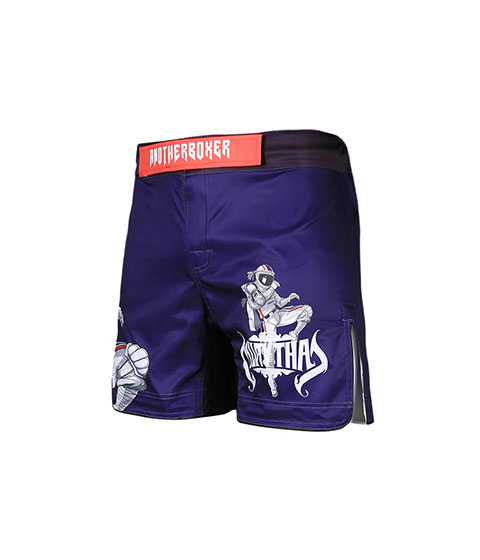
Nylon and Blended Fabrics
Nylon is another common material for athletic clothing. It can offer a smooth feel, good durability, and flexibility, depending on its construction. Some martial arts shorts combine nylon with elastane or other stretch fibers to improve mobility.
Blended fabrics can balance several performance requirements. For example, a lightweight fabric with a small amount of stretch may support dynamic movements while maintaining a comfortable fit. Check the fabric composition and product specifications rather than assuming that a particular fiber is always more breathable than another.
Cotton and Cotton Blends
Cotton feels soft and comfortable for everyday wear, but it absorbs moisture and can take longer to dry than many performance fabrics. During high-intensity martial arts training, heavily saturated cotton shorts may become damp, heavier, and less comfortable.
Cotton blends may work for light exercise or casual practice, depending on their construction. For sessions involving repeated kicks, footwork, conditioning, and heavy sweating, lightweight performance fabrics are often a practical choice.
2. Look for Lightweight Construction
Lightweight martial arts shorts can help reduce excess heat and make movement feel less restricted. Heavy fabric is not automatically unsuitable, but thick materials may feel less comfortable during long sessions in warm gyms or humid environments.
When evaluating a pair, consider how the fabric hangs and moves. It should not feel excessively stiff or bulky around the waist, hips, and thighs. Lightweight construction is especially useful for athletes who perform repeated high kicks, rapid direction changes, and other movements that require a wide range of motion.
At the same time, the fabric should be strong enough for the intended activity. Extremely thin material may not provide the durability required for frequent training. A good balance between weight and strength is more useful than choosing the thinnest available fabric.
3. Check the Fit and Leg Opening
Breathability depends on more than the fabric itself. A pair of martial arts shorts that fits too tightly may trap heat against the skin and restrict movement. Shorts that are excessively loose, however, may shift during training or create distracting folds.
The waistband should stay securely in place without digging into the abdomen. The hips and thighs should have enough room for squats, knee lifts, kicks, and changes in stance. If the shorts pull tightly across the hips when you raise a knee, consider a different size or cut.
Leg openings also matter. Some martial arts Fight Shorts feature wider legs or side slits to support kicking movements. These details can improve mobility, although the most suitable design depends on the martial art and the athlete's preferences.
Try moving in the shorts before deciding whether the fit is suitable. A pair that feels comfortable while standing may behave differently during a deep squat or a high kick.
4. Consider Moisture Management
Breathable clothing should help you remain comfortable as your body produces sweat. Moisture-wicking fabrics are designed to move moisture away from the skin toward the fabric surface, where it can spread and evaporate. This may help reduce the damp feeling associated with intense training.
Moisture-wicking and breathability are related but different properties. A fabric may move moisture effectively but still provide limited airflow because of its thickness or construction. Likewise, an airy fabric may allow circulation without drying especially quickly.
For regular martial arts training, consider both features. If you train for long periods, attend multiple classes, or exercise in a hot environment, quick-drying construction may be particularly useful. Follow the manufacturer's care instructions to maintain the fabric's performance over time.
5. Examine Seams, Waistbands, and Ventilation Details
Small construction details can affect comfort during repeated movement. Flat or carefully positioned seams may reduce friction in areas where fabric rubs against the skin. Reinforced stitching can help the shorts withstand repeated stretching and movement.
The waistband should provide a secure fit without creating unnecessary pressure. Elastic waistbands offer flexibility, while drawstrings allow additional adjustment. Some designs combine both features to help keep the shorts in place during training.
Mesh panels or other ventilation features may improve airflow when they are positioned appropriately. However, extra panels do not automatically make a garment more breathable. Consider the overall fabric, panel placement, stitching, and fit when comparing products.
6. Match the Shorts to Your Martial Art
Different martial arts involve different movement patterns, so breathable martial arts shorts should also suit the activity.
Kickboxing: Look for lightweight fabric, a secure waistband, and enough room for repeated kicks.
Muay Thai: Wider leg openings and side slits can help accommodate knees and high kicks.
MMA: Choose a design that supports striking and the movement requirements of your training. Check whether the shorts are intended for grappling or competition.
Karate: Consider the requirements of your training style and whether your school expects a particular uniform.
Not every martial art permits the same clothing in competition. Before selecting martial arts Fight Shorts for an event, check the relevant rules and uniform requirements.
7. Consider Durability and Care Requirements
Breathable martial arts shorts should also withstand regular washing and repeated training. Look at the stitching, fabric quality, waistband construction, and care label before making a decision.
Wash training shorts according to the manufacturer's instructions. In general, removing sweaty clothing from a closed gym bag promptly and allowing it to dry can help prevent persistent odors. Avoid excessive heat during washing or drying if the care label recommends lower temperatures.
Fabric softeners may affect the performance of certain technical fabrics, so check the product instructions before using them. Proper care can help preserve the fabric's feel, shape, and moisture-management properties.
Frequently Asked Questions
What is the most breathable fabric for martial arts shorts?
There is no single fabric that is best in every situation. Lightweight polyester, nylon, and selected blended fabrics can offer useful combinations of airflow, moisture management, and durability. Fabric construction and garment design are just as important as fiber type.
Are loose martial arts shorts more breathable?
A comfortable fit can allow better movement and reduce the feeling of fabric clinging to the body. However, excessive looseness does not guarantee better ventilation. Choose shorts that provide enough room for movement while remaining secure during exercise.
Are martial arts training shorts suitable for everyday workouts?
Many martial arts training shorts can also be used for general fitness, conditioning, and gym workouts. Check the design, fabric, and intended use to ensure that the shorts suit your activities.
How can I keep martial arts shorts comfortable during intense training?
Choose lightweight, moisture-managing fabric, check the fit, and follow the care label. Allowing the shorts to dry fully between sessions can also help maintain comfort.
Conclusion
Choosing breathable martial arts shorts involves balancing fabric performance, fit, weight, construction, and durability. Lightweight materials with suitable moisture-management properties can help improve comfort, while a secure waistband and roomy leg openings support unrestricted movement.
Before choosing martial arts training shorts, consider the type of training you perform, how much you sweat, and the conditions in which you exercise. Comparing these features will help you find martial arts fight shorts that provide a practical balance of breathability, comfort, and long-term use.