





Proper care is an important part of maintaining bjj fight wear. Brazilian Jiu Jitsu training can produce a significant amount of sweat, and garments such as rash guards, compression shirts, Fight Shorts, and grappling shorts are frequently exposed to moisture, friction, and repeated washing. If these garments are not dried correctly, the fabric may gradually lose its shape, elasticity, softness, or performance.
So, how should you dry BJJ fight wear after training? In most cases, the best approach is to wash the garment according to its care label, remove excess water without aggressively twisting the fabric, and allow it to air dry in a well-ventilated area. Heat, excessive sunlight, and high-temperature drying can be particularly important considerations for stretch-based Brazilian Jiu Jitsu fightwear.
Why Is Proper Drying Important for BJJ Fight Wear?
Unlike casual clothing, BJJ training garments often contain synthetic fibers and elastic materials designed to provide stretch, moisture management, and a close fit. These properties are useful during training, but they also mean the garments require appropriate care.
Repeated exposure to high temperatures can affect elastic fibers and may contribute to changes in fit over time. Excessive heat can also affect certain prints, logos, coatings, and fabric finishes.
Proper drying helps maintain the original structure of the garment and can extend the useful life of your bjj fight wear. This becomes particularly important for athletes who train several times per week and wash their training clothes frequently.
How Do I Dry BJJ Fight Wear Properly?
The simplest method is air drying. After washing, gently remove excess water, reshape the garment, and hang or lay it in a clean, well-ventilated location. Allow enough airflow around the fabric so that moisture can evaporate efficiently.
1. Check the Care Label First
Before drying Brazilian Jiu Jitsu fight wear, check the manufacturer's care instructions. Different fabrics and garment constructions can have different requirements.
Some products may be suitable for tumble drying at a low temperature, while others are better suited to air drying. The care label is therefore the most reliable starting point for determining how a specific garment should be treated.
2. Remove Excess Water Gently
After washing, avoid aggressively twisting or wringing a rash guard or compression garment. Excessive mechanical force can place unnecessary stress on stretch fibers and seams.
Instead, gently press the garment to remove excess water. If the fabric is particularly wet, you can place it between clean towels and press lightly before moving it to the drying area.
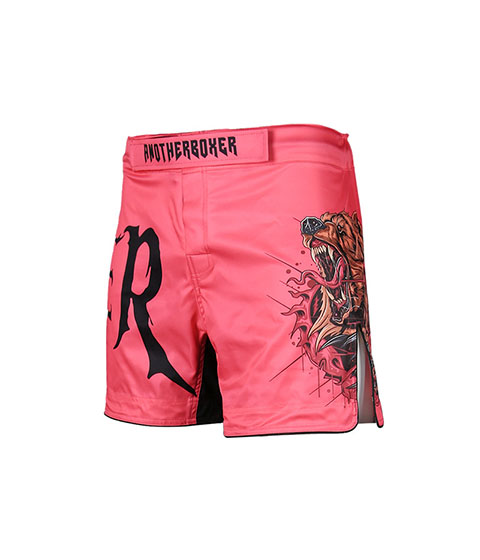
3. Air Dry in a Well-Ventilated Area
Air drying is generally a practical option for bjj fight wear. Hang the garment on a suitable hanger or drying rack and leave enough space around it for air to circulate.
Avoid placing several wet garments tightly together. When fabric surfaces remain pressed against one another, moisture takes longer to evaporate and the clothing may develop an unpleasant odor.
Good ventilation is particularly useful after an intense BJJ session because training garments can retain considerable moisture.
4. Avoid Excessive Heat
High temperatures are one of the main things to consider when drying stretch-based training clothing. A high-heat dryer cycle may place unnecessary stress on elastic fibers and can contribute to changes in garment shape over repeated cycles.
If the care label permits machine drying, use the recommended temperature and cycle. When the label recommends air drying, follow that instruction rather than assuming that high heat will make the process faster without consequences.
5. Avoid Prolonged Direct Sunlight
Sunlight can help dry clothing quickly, but prolonged exposure to strong direct sunlight may affect certain dyes, printed graphics, and fabric finishes.
For this reason, drying Brazilian Jiu Jitsu fightwear in a shaded, ventilated area can be a practical choice. Indirect airflow can provide drying conditions without exposing the garment to unnecessary environmental stress.
6. Reshape the Garment Before Drying
Before hanging your bjj fight wear, gently reshape the garment. Smooth out areas that have become folded or twisted during washing.
This is especially useful for compression shirts and rash guards because these garments are designed to maintain a relatively close and consistent fit. Allowing the garment to dry while twisted or heavily folded may result in an uneven shape.
Can You Put BJJ Fight Wear in a Dryer?
It depends on the garment. Some bjj fight wear can be tumble dried under specific conditions, while others are designed to be air dried.
If machine drying is permitted, a lower-temperature setting is generally preferable to a high-temperature cycle. However, always follow the individual product's care instructions because fabric composition and construction vary between garments.
For high-stretch compression garments, air drying is often a simple way to minimize unnecessary exposure to heat.
Should You Dry BJJ Fight Wear Immediately After Washing?
Yes. Once the washing cycle is complete, move the clothing to the drying area rather than leaving wet garments inside the washing machine for an extended period.
Damp clothing left in an enclosed environment can develop unpleasant odors. This is especially relevant for BJJ training clothing because the garments may already contain sweat and moisture from intense physical activity.
Developing a routine of washing and drying training clothes promptly can make garment care much easier.
How Should You Dry a Bjj Rash Guard?
A Bjj Rash Guard should generally be treated gently because its performance depends heavily on stretch and close-fitting construction.
Wash the rash guard according to the care label.
Remove excess water without aggressively twisting it.
Gently reshape the sleeves and torso.
Hang it or lay it flat in a ventilated area.
Avoid unnecessary high heat.
Keep printed areas away from prolonged direct heat or intense sunlight.
These simple steps can help maintain the fit and appearance of Brazilian Jiu Jitsu fight wear over repeated training sessions.
How Long Does BJJ Fight Wear Take to Dry?
Drying time depends on several factors, including fabric thickness, humidity, ventilation, temperature, and how much water remains in the garment after washing.
Lightweight rash guards and compression shirts may dry relatively quickly in a well-ventilated environment. Thicker garments such as certain Fight Shorts may require more time.
Rather than focusing on a specific number of hours, check whether the entire garment is completely dry before storing it. Pay particular attention to thicker seams, waistbands, and areas where multiple layers of fabric overlap.
What Should You Avoid When Drying BJJ Fight Wear?
Do not use excessive heat unless the care label specifically allows it.
Do not aggressively wring stretch garments after washing.
Do not store damp clothing in a gym bag or closed container.
Do not overcrowd the drying area because restricted airflow slows evaporation.
Do not leave garments in strong direct sunlight for extended periods if you want to protect colors and graphics.
How Can You Keep BJJ Fight Wear Fresh Between Training Sessions?
Good drying habits should begin immediately after training. If possible, remove sweaty clothing from your gym bag as soon as you return home. Do not leave damp Brazilian Jiu Jitsu fightwear packed inside a closed bag for hours.
Wash the garments according to their care instructions and dry them completely before storing them. Having several sets of training clothes can also make it easier to avoid reusing damp garments between sessions.
Proper washing and drying are more effective as a complete care routine rather than treating drying as a separate step.
Does Proper Drying Make BJJ Fight Wear Last Longer?
Proper drying can help reduce unnecessary stress on the materials used in training garments. Stretch fibers, seams, prints, and fabric finishes can all be affected by repeated washing and drying conditions.
Using the recommended care method, avoiding unnecessary high temperatures, and allowing garments to dry properly can help maintain their fit and appearance over time.
For athletes who train regularly, this can make a meaningful difference because Brazilian Jiu Jitsu fight wear may go through many more wash cycles than ordinary casual clothing.