





When shopping for spf Fishing Shirts for men, many buyers come across two different terms on product labels: SPF and UPF. Although sellers often use these terms interchangeably, they represent very different types of sun protection. Understanding the distinction is essential for choosing the right shirt, especially for anglers who spend extended hours in direct sunlight. The difference affects not only comfort but also long-term skin safety.
SPF, or Sun Protection Factor, is a rating normally used for sunscreen and indicates how long it takes UVB rays to redden the skin. UPF, or Ultraviolet Protection Factor, is a fabric rating that measures how much UV radiation—both UVA and UVB—the material can block. This makes UPF the correct measurement for clothing such as men’s spf Fishing Shirts. When a shirt says UPF 50, it means only 1/50th of the UV rays can pass through the fabric. By contrast, SPF applies only to products applied on the skin, not worn on the body.
The main advantage of UPF-rated clothing is its ability to provide broad-spectrum protection without needing constant reapplication. For fishermen, this is especially important. Sweat, water, and friction often reduce the effectiveness of sunscreen, but mens uv protection Fishing Shirts maintain their UPF rating as long as the fabric remains intact and properly cared for. This makes UPF clothing more reliable for long hours under the sun.
Another key difference is coverage. SPF only protects the areas where sunscreen is applied. Even small missed spots—like the back of the neck, shoulders, or wrists—are enough to cause burning during a fishing trip. A UPF shirt covers a larger area by default, acting as both physical and chemical protection. Many spf Fishing Shirts for men even include built-in hoods, gaiters, or thumbholes that protect areas normally exposed while casting or handling equipment.
Fabric technology also plays a significant role. UPF-rated shirts use tightly woven fibers, sometimes combined with UV-absorbing chemicals built into the fiber structure. Polyester and nylon blends are among the most common materials because they naturally offer higher UV resistance compared to cotton. Moisture-wicking finishes and breathable mesh panels make the shirts cool and comfortable despite their full coverage. In contrast, SPF sunscreen often feels sticky, greasy, or heavy, which can be uncomfortable during long fishing sessions.
Durability is another factor that separates UPF clothing from sunscreen. A single high-quality men’s spf fishing shirt can last years, providing ongoing protection with every use. Sunscreen, on the other hand, needs to be reapplied many times throughout the day, which becomes expensive and inconvenient. For fishermen who spend entire weekends on the water, UPF clothing provides a cost-effective, long-term option.
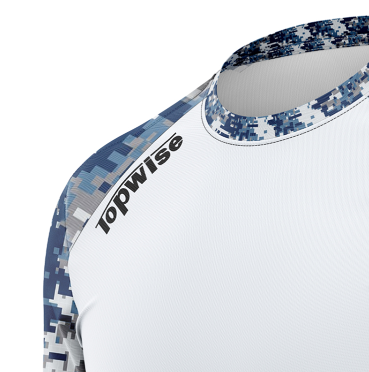
UPF protection also does not wear off as quickly as sunscreen. However, improper washing—such as using harsh detergents or fabric softeners—may reduce the rating over time. Lightly stretching the fabric or exposing it to excessive wear can also affect performance. Still, compared to sunscreen, which starts degrading the moment it’s applied, mens uv protection fishing shirts remain far more stable and reliable under harsh outdoor conditions.
Understanding the difference also helps buyers avoid misleading marketing. Some shirts are marketed as “SPF clothing,” which is technically incorrect. The accurate term for clothing is UPF. If a seller is promoting SPF for a shirt, it’s often just a general claim rather than a tested rating. Serious anglers should always look for UPF-labeled apparel to ensure the product has undergone proper testing. Reputable brands always specify UPF 30, UPF 50, or UPF 50+ ratings on their men’s spf fishing shirts.
In practical usage, UPF shirts create a more comfortable fishing experience. Without needing to constantly apply sunscreen, anglers can stay focused on their technique, boat handling, and the overall enjoyment of the outdoor environment. Wearing a lightweight UPF 50 shirt often keeps the body cooler than wearing a sleeveless shirt, because it blocks heat-absorbing rays and assists with moisture evaporation.
To summarize the comparison: SPF relates to sunscreens and measures UVB protection, while UPF is the correct measurement for clothing and protects against both UVA and UVB. For fishing, boating, and any prolonged outdoor activity, UPF-rated clothing is the most consistent and reliable option. This is why modern spf fishing shirts for men are essential for anglers who take both performance and skin safety seriously. The combination of comfort, cooling design, and full-spectrum sun protection has made mens uv protection fishing shirts one of the most important pieces of gear in outdoor recreation today.