





Choosing cold weather fishing apparel comes down to checking three real numbers — fabric weight (GSM), waterproof rating (hydrostatic head), and breathability rating (MVTR) — rather than trusting a "cold weather" label on its own. A garment can be windproof and waterproof without being insulated, so the right choice also depends on whether you need a shell to layer over warm base layers, or a piece with its own insulation built in.
Check Fabric Weight (GSM) for Wind and Cold Resistance
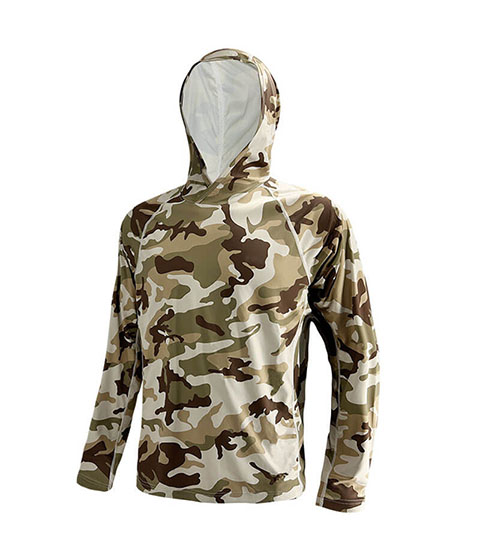
As a reference point, a high-density polyester fishing hoodie built for cold and wet conditions commonly runs around 210g/m², which is heavier than a typical summer Fishing Shirt and provides more resistance to wind cutting through the fabric. Higher GSM generally means better wind resistance and durability, but it also affects packability and layering room, so confirm the GSM for the specific style you're ordering rather than assuming all "cold weather" garments in a catalog use the same weight fabric.
Waterproof and Breathable Membrane Ratings Matter More Than "Waterproof" Alone
"Waterproof" on its own is a marketing word — the numbers that actually tell you something are hydrostatic head and moisture vapor transmission rate (MVTR). A membrane rated around 10,000mm hydrostatic head with an MVTR around 8,000g/m²/24hr is a genuinely functional waterproof-breathable combination for on-water use in cold conditions, since it blocks driving rain and spray while still letting sweat vapor escape. Ask your supplier for these two specific numbers rather than accepting a general "waterproof" or "breathable" claim, since both properties matter independently — a garment can be very waterproof and still leave you clammy and cold if breathability is poor.
UPF Rating Still Matters in Cold Weather
UV exposure on the water doesn't disappear in cold weather — glare off water and snow can still deliver meaningful UV exposure during long sessions. A UPF 50+ rating, which blocks over 98% of UVA/UVB rays, is worth confirming even for cold-weather gear, not just summer Fishing Wear. If your brand markets cold-weather apparel purely on warmth and waterproofing, UPF protection is an easy additional spec to verify and mention, since the fabric may already meet it without it being called out.
Confirm Insulation and Layering Strategy Separately
A windproof, waterproof, breathable shell is not automatically an insulated garment — the published specs for a waterproof-breathable Fishing Hoodie describe shell performance, not a separate thermal lining or insulation fill weight. Before positioning a product as "cold weather," confirm directly with your supplier whether the specific style includes insulation, or whether it's designed as a shell layer worn over a base layer and mid layer. This distinction matters for how you market the product and for setting accurate buyer expectations, since "waterproof and windproof" and "insulated" are two different claims that shouldn't be conflated.
Features That Support Cold-Weather Handling
Beyond fabric performance, look for practical cold-weather features: an adjustable hood with an integrated peak for wind and precipitation, a multi-configuration chest pocket system for gear access without removing gloves, four-way stretch fabric for mobility over layered clothing, and reflective trim for visibility during low-light early morning or late-evening sessions common in cold-weather fishing. A companion piece like a fishing neck gaiter or face mask with UPF 50+ and quick-dry properties rounds out a cold-weather layering system without needing a separate heavy garment.
Questions to Ask Before You Order Cold Weather Fishing Apparel
What's the fabric GSM for the specific style, and does it match the wind and cold conditions your market fishes in?
What hydrostatic head and MVTR ratings apply to the exact waterproof-breathable membrane you're ordering?
Does this style include actual insulation, or is it a shell layer meant to be worn over base and mid layers?
Does the fabric carry a UPF rating, even if the product is marketed primarily on warmth and waterproofing?
Can the manufacturer support customization — logo, color, packaging — at your target order volume for this style?
If you know your target GSM, waterproof rating, and whether you need an insulated or shell-only style, send them directly for a quote.
Frequently Asked Questions
What makes fishing apparel suitable for cold weather?
Cold weather fishing apparel typically combines a heavier fabric weight (GSM) for wind resistance with a waterproof-breathable membrane rated by hydrostatic head and MVTR. Confirm whether the specific style also includes insulation, since a waterproof-windproof shell and an insulated garment are different products.
What is hydrostatic head and why does it matter for fishing apparel?
Hydrostatic head measures how much water pressure a fabric can resist before leaking, commonly expressed in millimeters. A rating around 10,000mm is a genuinely functional waterproof level for on-water use, but ask your supplier for the specific number rather than accepting a general "waterproof" claim.
Do I need UPF protection for cold weather fishing gear?
Yes — UV exposure from glare off water continues in cold weather, so a UPF 50+ rating is worth confirming even on garments marketed primarily for warmth and waterproofing.
Is a waterproof fishing jacket automatically insulated?
No. Waterproof and windproof performance comes from the shell fabric and membrane, while warmth typically comes from a separate insulation layer or from layering underneath the shell. Confirm which type of product you're ordering before marketing it as "cold weather" apparel.