





MMA Shorts, Muay Thai Shorts, and Boxing Shorts may look similar on a rack, but each is cut for a different range of motion: MMA shorts balance high kicks with ground grappling, Muay Thai shorts prioritize maximum leg freedom for kicking, and Boxing Shorts are built for upright movement with no ground contact at all. Stocking the wrong one for a customer's sport usually shows up as restricted movement or shorts that ride up during training.
The differences come down to three things: leg length and slit height, fabric stretch, and waistband design—each shaped by what athletes in that sport actually need to do in them.
1. Cut And Slit Height
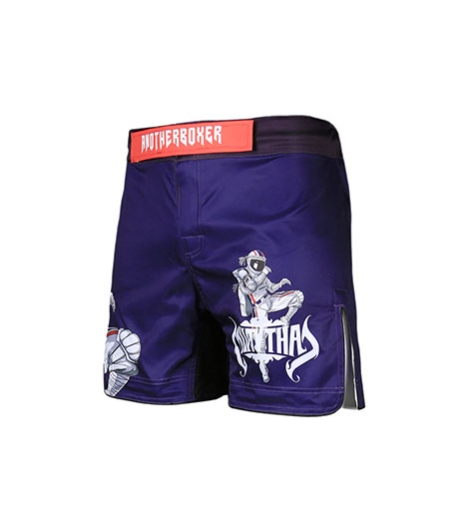
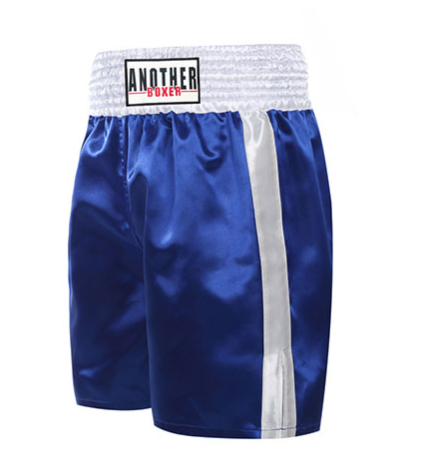
MMA shorts use side slits and a shorter overall length to support both striking and ground grappling without the fabric bunching during transitions. Muay Thai shorts are cut higher on the thigh with no side slits needed, since the wide, loose leg opening already allows a full range of kicking motion. Boxing shorts sit lower, closer to knee-length, since boxers don't need the same hip mobility for kicks or ground work—just freedom to move upright.
2. Fabric And Stretch
MMA shorts typically use a 4-way stretch polyester-spandex blend with reinforced stitching at stress points, since they need to hold up to grabbing, ground pressure, and repeated stretching during grappling. Muay Thai shorts use a looser, satin-style fabric with minimal stretch—the loose cut itself provides the range of motion, so the fabric doesn't need to flex the way MMA fabric does. Boxing shorts are usually made from lighter, more breathable material since boxers generate significant heat during rounds but don't need stretch panels for ground-level movement.
3. Waistband And Fit
MMA shorts generally use a low-profile elastic or drawstring waistband designed to stay secure during grappling without digging in when an opponent has top position. Muay Thai shorts use a wide, often satin waistband that sits higher and is partly decorative, commonly featuring the fighter's name or gym. Boxing shorts use an elastic waistband too, but paired with a looser overall fit through the leg, since boxers need to move freely without any fabric restriction during footwork.
Not sure which style fits your customers or team? Send us the sport and use case, and we'll recommend the right cut and fabric—we typically respond within 24 hours.
4. Matching The Short To The Sport
For gyms and retailers carrying multiple disciplines, the safest approach is to stock according to what the training actually involves rather than by general "fight shorts" category. Facilities running BJJ, wrestling, or MMA classes need the stretch and slit design of MMA shorts. Muay Thai and kickboxing programs are better served by the traditional loose-cut satin short. Boxing-only gyms can stick to simpler, lighter shorts without stretch panels, since ground mobility isn't a factor.
Getting this distinction right matters most for teams and gyms outfitting athletes across multiple disciplines—using a Muay Thai cut for grappling, or an MMA short for pure boxing, usually shows up quickly as discomfort or reduced performance once athletes are training in them regularly.
If you're building out a combat sports apparel line or restocking gear for a multi-discipline gym, sharing your target sports and order volume can help confirm the right combination of styles and customization options.