





What Are Fishing Shirts Made Out Of?
Fishing shirts are typically made from lightweight polyester, nylon, or polyester-spandex blends rather than cotton, since these synthetic fabrics offer better moisture-wicking, faster drying, and built-in UV resistance. Many performance Fishing Shirts also use a tight micro-weave construction specifically engineered to block UV rays, which is why they perform differently from a regular cotton or blended t-shirt.
The material a Fishing Shirt is made from directly affects how it performs on the water—how well it dries, how much sun protection it offers, and how long it holds up under repeated outdoor use. Understanding the fabric behind the shirt makes it easier to know what you're actually paying for.
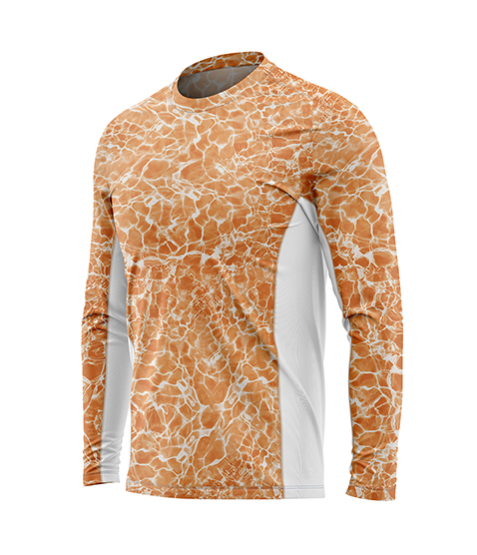
Polyester: The Most Common Base Fabric
Polyester is the dominant fabric in performance fishing shirts because it dries quickly, resists wrinkling, and holds color well after repeated washing.
It's also naturally resistant to UV degradation, which helps the fabric maintain its protective properties over time rather than breaking down after a season of sun exposure.
Nylon For Added Durability
Some fishing shirts use nylon, either on its own or blended with polyester, for extra durability and a slightly smoother feel against the skin.
Nylon tends to be more resistant to abrasion, which can matter for anglers who deal with rough boat surfaces, tackle, or gear rubbing against their shirt throughout the day.
Spandex Blends For Stretch And Mobility
Many modern fishing shirts include a small percentage of spandex blended into the polyester or nylon base.
This adds stretch without sacrificing durability, allowing for:
Easier arm movement during casting and reeling
A closer, more athletic fit
Reduced fabric bunching during repetitive motion
Tight Micro-Weave Construction For UV Protection
Beyond the fiber type, how tightly the fabric is woven also affects performance.
A tighter micro-weave leaves less space between fibers for UV rays to pass through, which is a major reason performance fishing shirts can achieve UPF 50+ ratings while a loosely woven cotton shirt cannot, regardless of color or thickness.
Why Cotton Is Rarely Used
Cotton absorbs moisture rather than wicking it away, so it stays damp longer, dries slowly, and can feel heavy and uncomfortable during a long day outdoors.
It also offers inconsistent, lower-level sun protection compared to synthetic performance fabrics, which is why most dedicated fishing shirts avoid cotton entirely in favor of polyester or nylon blends.
Fabric Considerations For Custom And Bulk Orders
For teams, charters, and brands developing Custom Fishing Shirts, fabric choice affects more than comfort—it impacts cost, durability, and how well printed designs hold up over time.
Sublimation printing, commonly used for custom fishing shirt designs, works especially well on polyester fabric, since the dye bonds directly with the synthetic fibers for long-lasting color.
Final Thoughts
Fishing shirts are built from polyester, nylon, or blends of the two—often reinforced with a bit of spandex and a tight micro-weave construction—specifically because these materials outperform cotton in moisture control, UV protection, and durability. Knowing the fabric behind a fishing shirt makes it easier to judge whether a specific shirt will hold up to real conditions on the water.